Submission by Gabe Nolan.
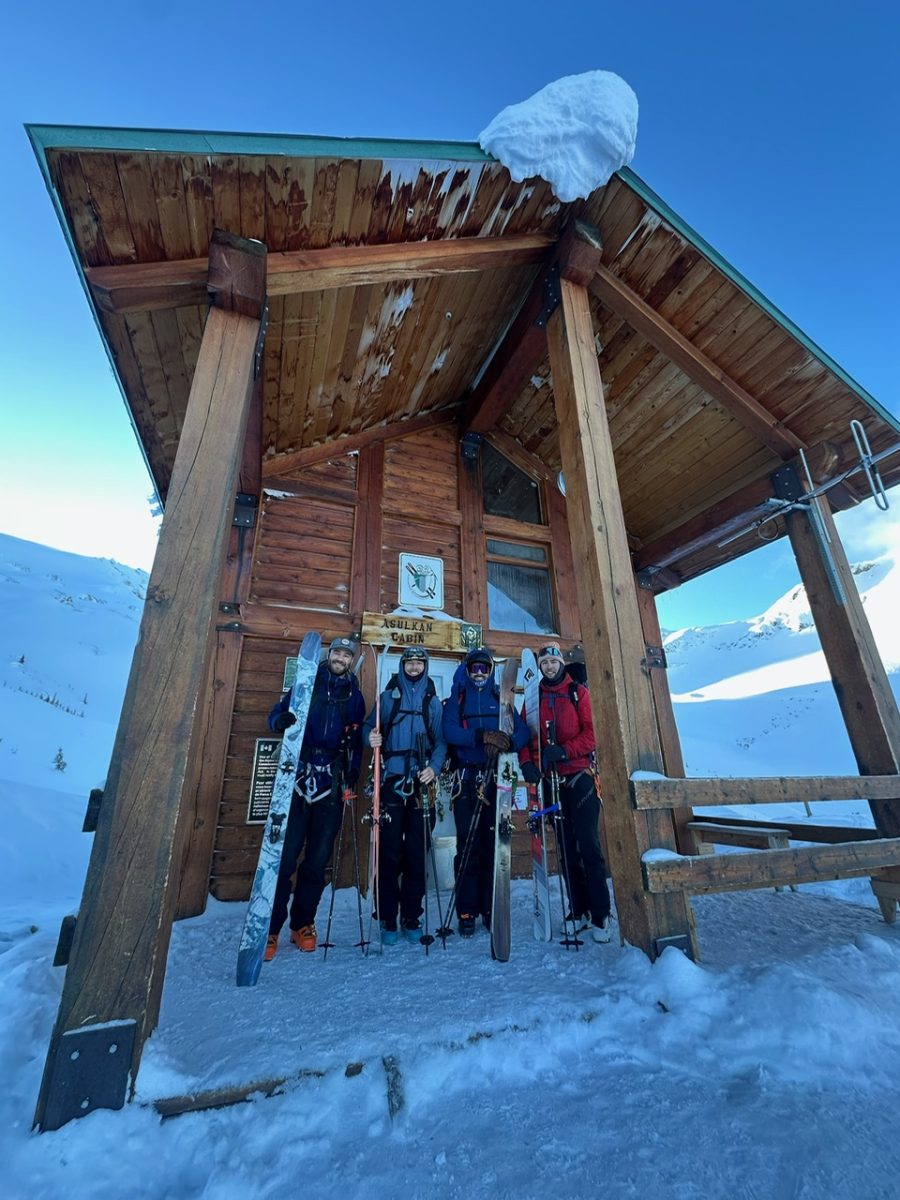
Just a few days ago, I came home from a 5 day ski touring trip exploring the majestic Rogers Pass in British Columbia with 3 of my buddies. As the trip planner, I knew I should pack a few extra essentials – perhaps most importantly my trusty backcountry repair kit. I haven’t always carried a repair kit, but a few years ago I had the pleasure of watching a mentor fix a broken binding in shockingly good time and fashion – thanks to his kit. Before I could really get my head around how he planned to fix a completely sheared off heel piece, he was halfway done — twisting bailing wire and lashing it down and around the binding plate. Ever since this display of amazing bushcraft to remedy a catastrophic binding failure while deep in a remote drainage, I’ve made it my duty to learn solid repair skills and always be prepared with a kit.
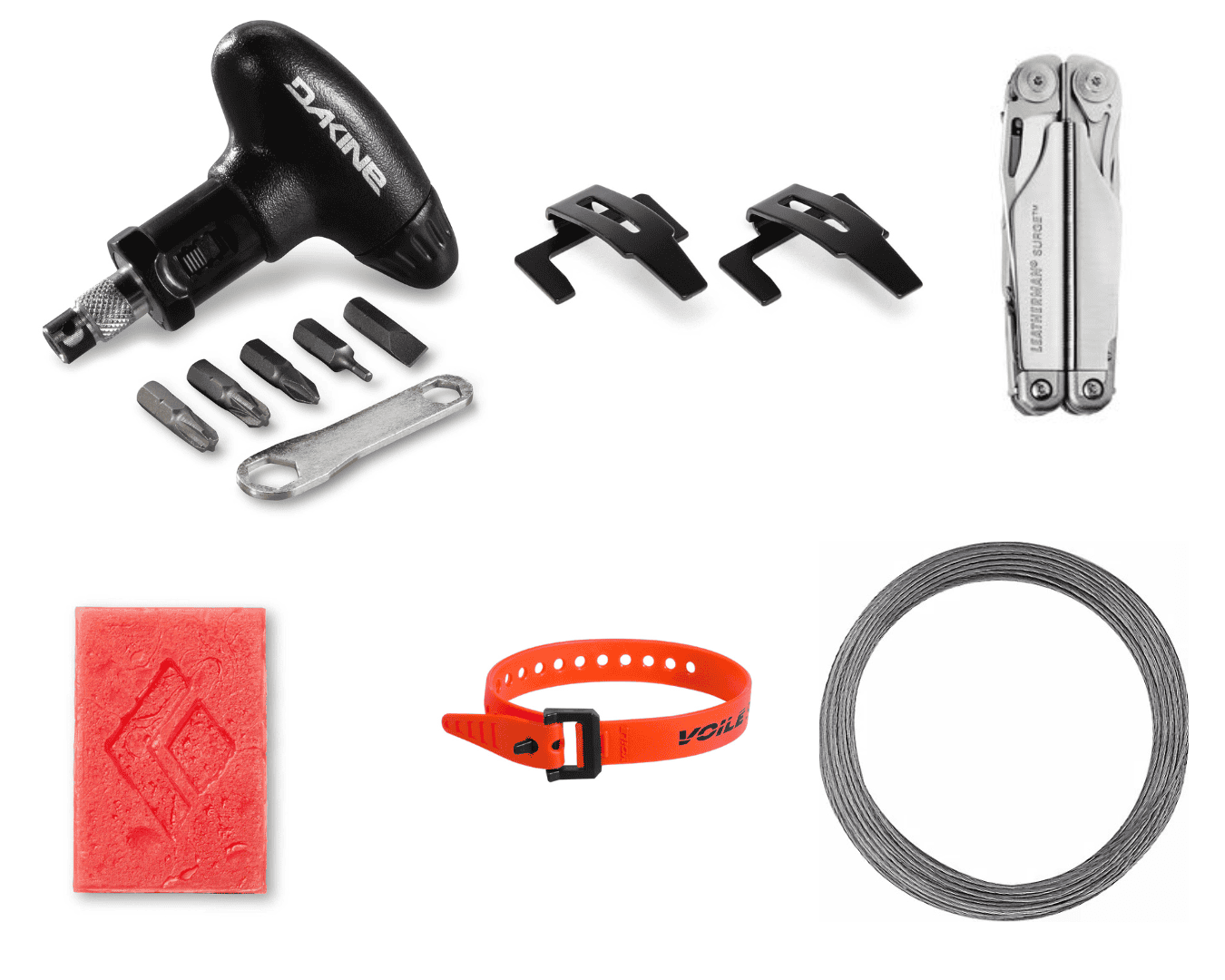
I’ve outlined a handful of tools, material, and trinkets to carry in your backcountry repair kit. Most of these can be easily sourced from your local ski shop, hardware store, or online retailer. It doesn’t have to be fancy either – I have a little mesh bag to keep these tools in so I can easily find what I need if and when the time comes.
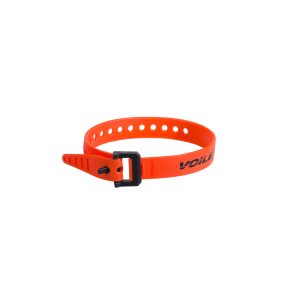
- Ski Straps – These little plastic straps are extremely helpful for a variety of uses, not just equipment breakdowns. I always carry 2-3 in my pack, but try to keep one dedicated in my repair kit so I never end up without one.
- Extra Tail Clips – I’ve used my extra skin clip a few times for myself or my buddies. Going on a multi-day trip with tons of kick turns? Jamming your tails into deep snow? These little clips have a tendency to disappear from your tails, so always good to have a replacement.

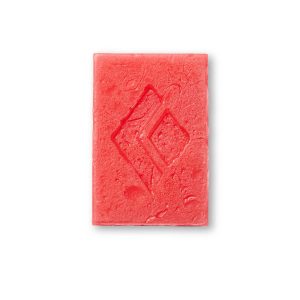
Ski Skin Tail Clips - Skin Wax – I don’t necessarily carry this all season, but when it hits late winter or early spring, this little block of wax is always in my bag. Waxing your skins on a gloppy day will help keep stress levels down even as snow sticks to your skins.
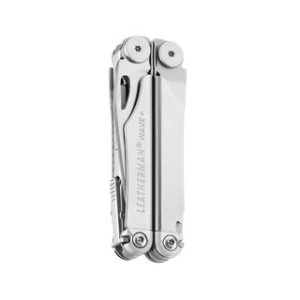
- Multi-Tool – No lengthy explanation needed here. Having a set of pliers with a few extra screwdrivers and a knife is a no-brainer. From fixing stoves to cutting skins, you’re going want this handy tool. My Dad gave me a Leatherman when I was a teenager and the quality of this tool is unmatched.
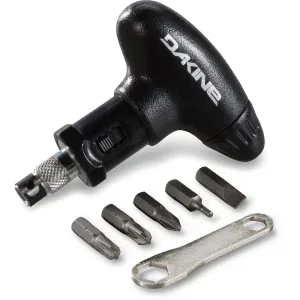
- Torque Driver – This little torque tool is really helpful in tightening screws or bolts and is typically a better tool for some ski-specific needs than your standard multitool. It comes with a few different driver heads, but I always make sure they fit my bindings and boots. Another hot tip is to include a drill bit, in case you totally rip a binding out. You can drill into the ski to set the binding back up.
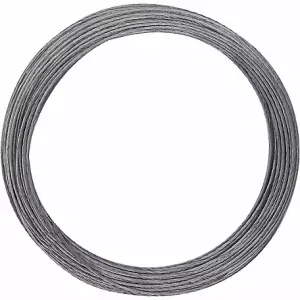
- Baling Wire – This thin wire is malleable yet strong. It’s the imperfect yet perfect solution to lash a boot to ski in the case of a broken binding.
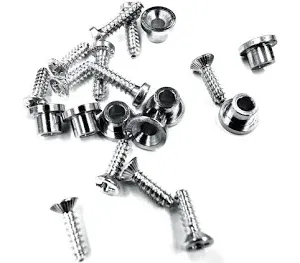
- Extra Screws, Bolts & Washers – Preferably a set that are for your binding and boots – but anything is better than nothing.
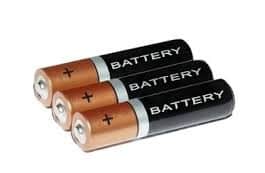
- 3 AAA Batteries – Headlamps & beacons can drain batteries surprisingly fast, especially with prolonged use. Having the ability to juice back up to 100% is key. Remember, using Alkaline batteries is preferred for avalanche beacons!
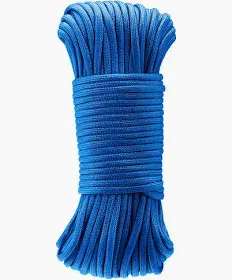
- Paracord – You’re probably already carrying some sort of cord for snowpack tests, but always worth adding some paracord to your kit. It’s amazing what you can do with a little bit of rope and your imagination. Improvised shelter? Drying line? Lowering water bottles into deep creeks to fill up? Yep, toss it in!
At the end of the day, this kit should be flexible. It should change depending on the mission at hand. Beef it up or trim it down. Best to be prepared and anticipate the group’s potential repair needs well before they pop up.