Submission by Andy Souder in the Gear Department
Believe it or not, being able to use your hands comfortably makes mountaineering much easier. Keeping your hands warm, comfortable and protected can be a make-or-break piece on the summit push. One of the most frequent questions we get asked here in the Gear Department is “do I REALLY need all of these gloves?” The answer is yes, and probably an extra! Let’s start from the inside out:
Liner Gloves
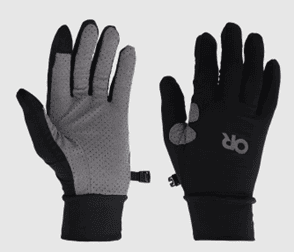
The base layer of your hands! For most of the climbs and treks we offer, the liner glove should be thin and breathable, offering sun protection. The standout in this category is the Outdoor Research Sun Glove (pictured). It has a vented, breathable palm and UPF 50 fabric on the back of the hand, making sure you don’t burn where it counts. Fleece liner gloves can be great for cold-weather trips and should ideally be able to fit inside your mittens. A great alternative to a typical sun glove is a thin, nitrile-palm gardening glove. These are cheap and durable, great for late-season expeditions where you have to move rocks to get your tent site established. Not good in all scenarios but might be worth adding to the pack on your next 9-day Baker course.
Softshell Gloves
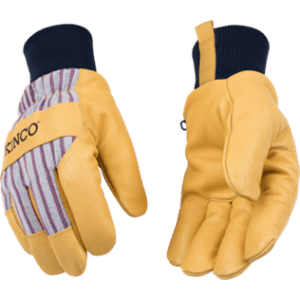
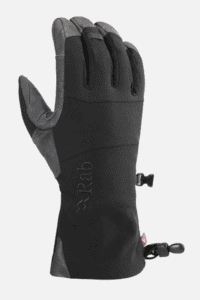
The mid-layer glove is one that most climbers end up wearing for the majority of a trip and often the most misunderstood. Softshell glove is somewhat of a misnomer, there are plenty of things what fit the definition we’re looking for. They should be ideally weather-resistant but not fully waterproof to allow your hands to breathe. A leather palm is preferable but vegan “pleather” palms can also suffice. Oftentimes regular ski gloves aren’t quite right and can trap too much moisture due to the waterproof shells. They should fit comfortably and give you enough dexterity to hold an ice axe, tie a few simple knots, or set up a tent. While climbing-specific gloves from big brands are great, many guides use more basic insulated work gloves from brands like Kinco and Wells-Lamont. These are much more affordable at the cost of break-in time and articulation.
A high-end, mountaineering-specific, pre-curved glove like the Rab Baltoro (pictured above) will fit better out of the box and be warmer than something you have to wax and wear for a while to get supple like a Kinco 1927 (pictured). This layer is where some folks (author included) will double up and bring two pairs in case one gets soaked, especially on trips with precipitation in the forecast.
Mittens
Yes, mittens are required! We have these on many gear lists as an emergency piece. They keep your hands warmer (think of your fingers like penguins huddled together) and are crucial during the times you aren’t moving. Mittens don’t offer as much dexterity as gloves, but they make up for it in warmth. There’s plenty of moments of “hurry up and wait” while climbing, and staying warm is incredibly important while waiting for a ladder to clear or taking pictures at the summit.
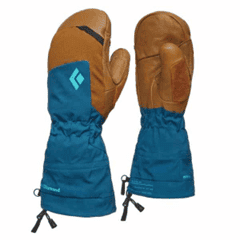
Insulated mittens come in a variety of fill types and features. Our top picks for general mountaineering mitts include the Black Diamond Mercury (pictured), Outdoor Research Alti II, and Hestra Army Leather. These all feature removable liners and waterproof shells, great for the cold/wet trips with time overnight to separate and dry out. A lightweight mitt like the Rab Storm is excellent as an emergency layer for summer climbs in the cascades. Mountain Hardwear Absolute Zero mittens are down-filled and extremely warm for those high peaks like Denali and Everest. Most folks don’t need a “big dog” mitt like this for romping around in the Cascades, but those far flung adventures might call for it.
Insulated Shell Gloves
These heavy-duty gloves are for high-altitude adventures where you need dexterity and extreme warmth. The category definer is the Black Diamond Guide Glove, they are built with a removable liner for drying out quickly, and can be an acceptable alternative to mittens in some cases. There aren’t many on the market with as long or storied of a history as the BD Guides, but Mountain Hardwear and others have comparable versions.
Climbing/Belay gloves
Climbing/belay/rappel gloves are all generally different names for the same thing. These are leather palmed, breathable, un-insulated gloves to wear while handling ropes. Leather is key here as the friction from moving rope can shred or melt vinyl/synthetic palm gloves. We recommend full-fingered versions of climbing gloves over the partial fingers.
My kit and top picks:
I live in Seattle and play in the Cascades, largely around Baker and Snoqualmie. It is wet and cold most of the year, with lots of sharp volcanic rocks. This has impacted the layers I bring and how my kit and quiver has developed over the years.
Liners: My hands run warm so I usually bring gardening/work gloves instead of a sun glove, or fleece liner gloves in the wintertime.
Softshell gloves: This is a layer I almost always bring a second pair, especially if there is precipitation in the forecast. The REI Guide glove (not to be confused with the legendary Black Diamond Guide Glove) is my daily driver. I also have some Kinco 1927s, Black Diamond Dirtbag Gloves, and two pairs of rubberized insulated work gloves for the wet days.
Mittens: I have Black Diamond Mercury Mitts for Rainier or wintertime trips, and the REI Guide Mittens for a lighter weight alternative. If luck and mother nature will have it, these live in the bottom of my pack the entire excursion. Better to have an extra layer and not need it than be wishing I was warmer.
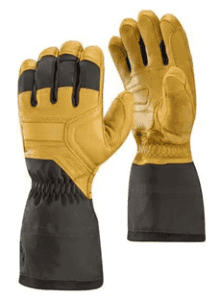
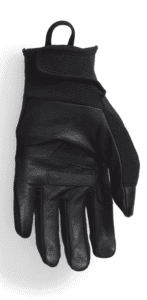
Climbing gloves: I almost always bring one of these as part of my standard mountaineering kit, usually to be an uninsulated alternative to the softshell gloves. The Black Diamond Crag gloves have been fine for a while, but I’ve come to like the AMP gloves from North Face more. They are light, supple, and just as protective as the BD Crag gloves. The Petzl Cordex Belay gloves are a guide favorite and certainly worth mentioning.
How your glove assortment works out will be dependent on the adventures you like to go on and what your priorities in shopping are. As always, the Gear Department is happy to advise for whatever excursion you are getting ready for! Send your questions to [email protected] and we’ll help you find some answers.